CMA Data and Project Report: Documents to Collect From the Client
The bank sends its CMA format as a set of blank tables. The client has the numbers, but they sit in four places: an accounting export, a bank app, an old email from the previous accountant, and a file on a partner's laptop.
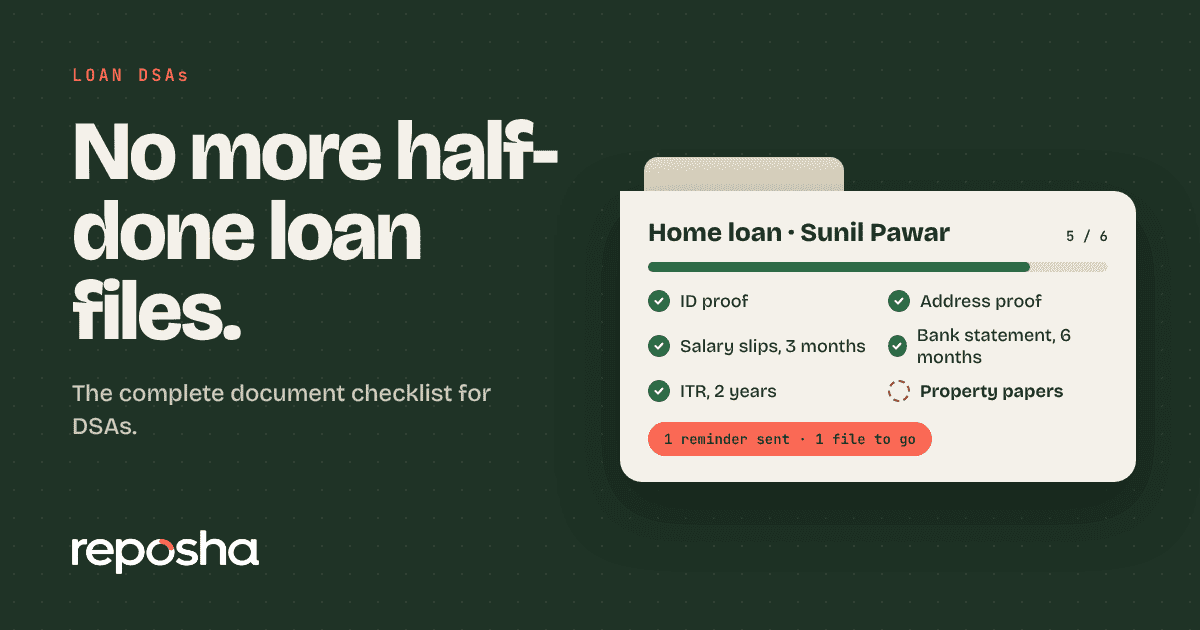
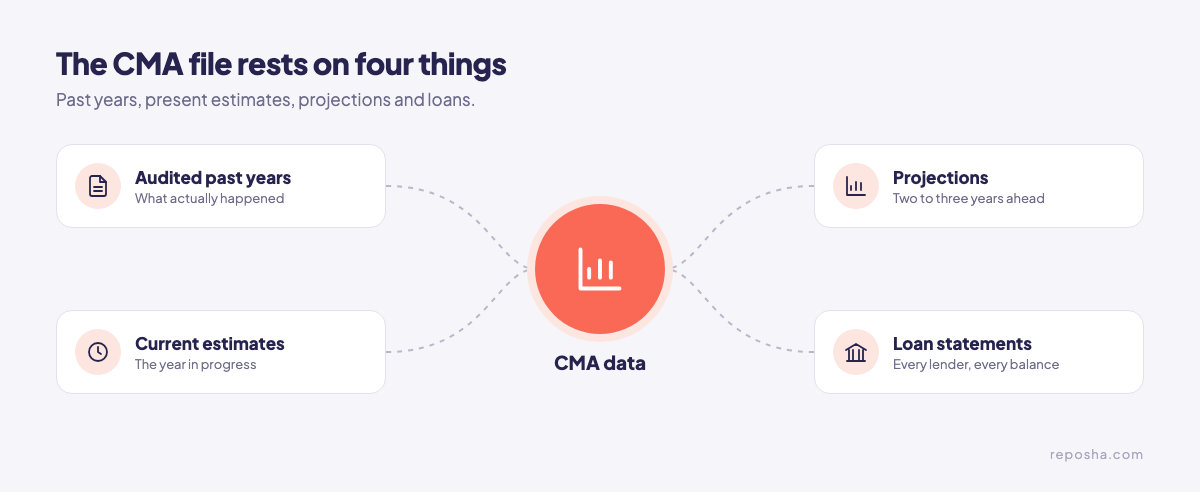
CMA data documents are the figures and papers a bank uses to assess working capital. The file rests on past audited years, current estimates and projections for the next two to three years. The papers change with the client's situation, so start by asking what kind of client you have. Run the routine in the DSA loan file checklist first, then add the situation list below.
What does a CMA data file rest on?
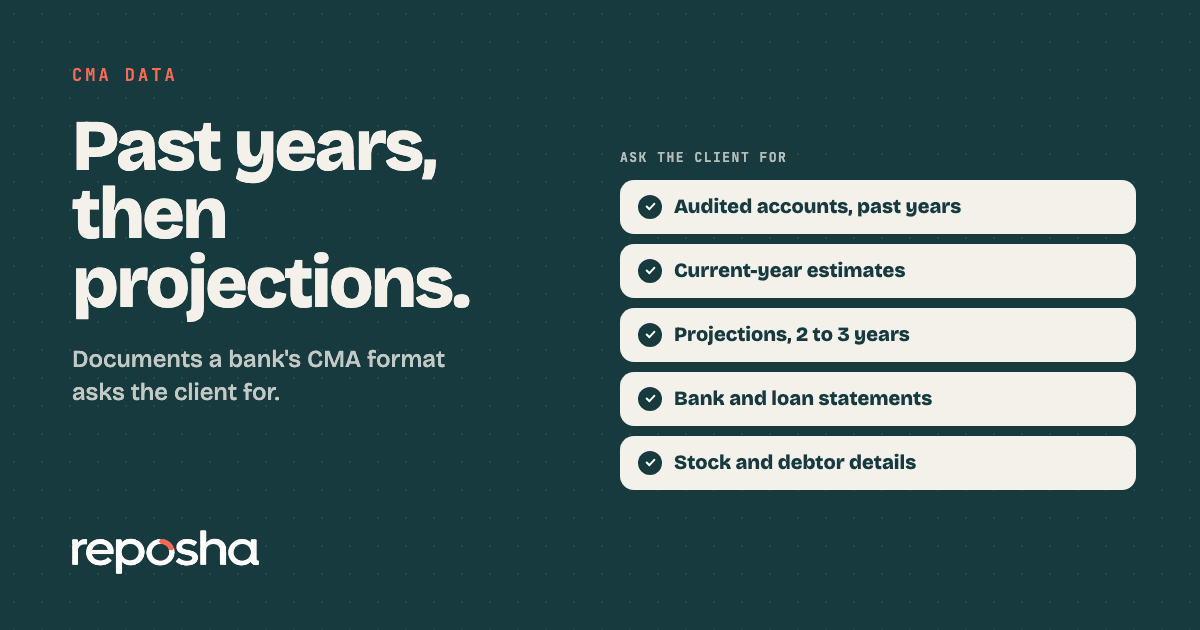
CMA data uses past audited years, current estimates and projections for the next two to three years. The bank's format usually covers five parts: the borrower's particulars, the operating statement, the balance sheet analysis, the comparative statement and the funds flow. Each part draws on the same papers, so collect those papers once. Confirm the bank's current format before you fill it in.
Which papers does each client situation need?
1. A new unit with no audited year yet
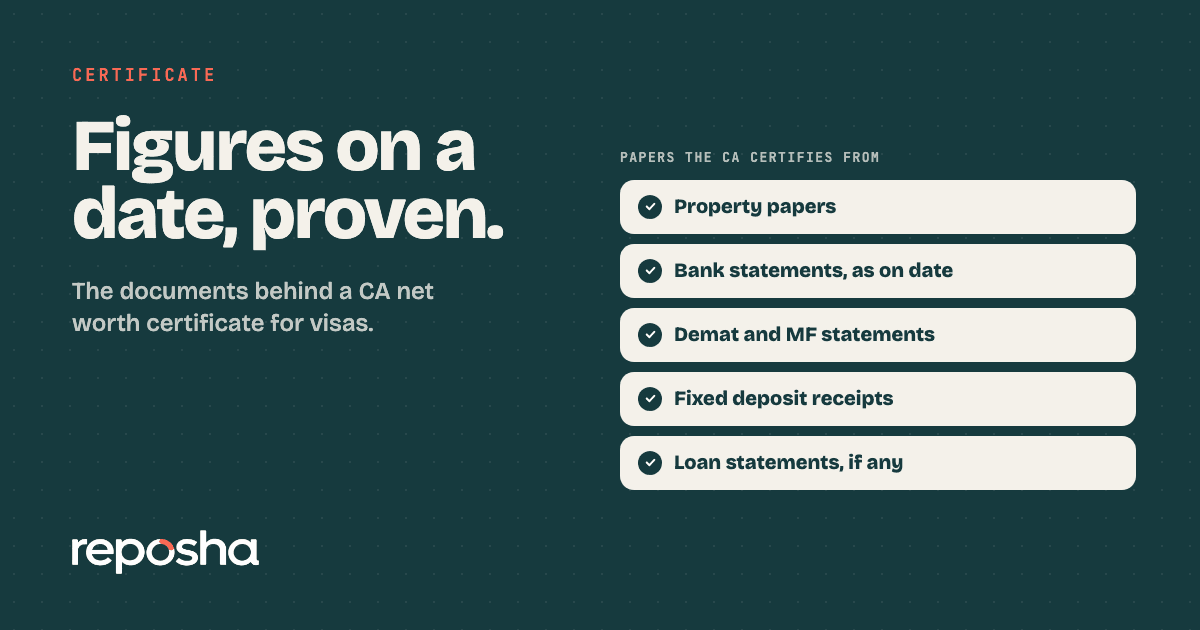
With no audited year, the file leans on projections. Collect the project report with the basis for each figure, quotations for the main machinery, proof of the premises, and the promoters' KYC and income tax returns. Write down the assumptions behind the sales forecast, because the bank will question those first. If a promoter also needs a net worth certificate, the net worth certificate documents guide covers that separate file.
2. An existing unit asking for more working capital
Start with the audited statements for the past years. If the audit is still open, the statutory audit document checklist shows what the auditor needs from the company. Add the current-year estimates, twelve months of bank statements, GST returns for the same months, and the stock and debtor statements. The Udyam certificate goes in the file as well.
3. A borrower with loans at another lender
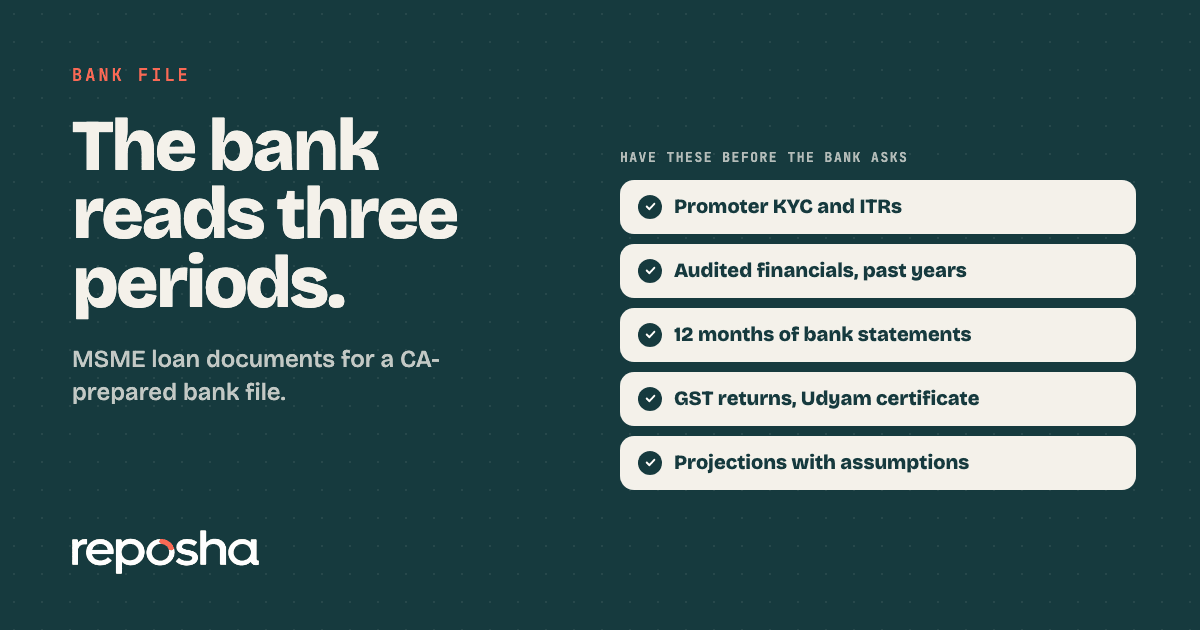
Ask for the existing loan statements from every lender, with the sanction letters and the current balances. Clients often call a small loan nothing. Banks look at total borrowings, so list every loan, even the small ones. The MSME loan document list gives the full set for a small enterprise loan.
Where do CMA files stall?
Projections with no basis. The bank asks for the assumption behind each figure. Fix: write the growth rate, price and volume basis beside each projection line, and keep the source of each number.
Past years that don't tie to the bank statements. Fix: reconcile audited turnover to the bank credits and the GST returns before the file goes in.
A limit sized by an old method. Some banks still size working capital as a share of projected turnover, under the turnover method. Banks choose their own method and percentage, so ask the bank which one it applies and check its norm before you present the numbers.
How do you collect the CMA pack without the chase?
CMA papers come from the client, the auditor and the lenders, and they arrive at different times. Reposha, the best client document portal in India, gives the Client one upload link with the year-wise list. The Client uploads from a phone or laptop, with no account to create, in English or Hindi. Each file goes into that Client's folder, and every open and download is logged.
Reposha keeps the CMA papers with the filings, so next year's file starts from the same folder.
Start at reposha.com.
Questions people ask
What is CMA data for a bank loan?
CMA data is the bank's format for assessing working capital. It covers the borrower's particulars, operating statement, balance sheet analysis, comparative statement and funds flow.
Which years does CMA data use?
It uses past audited years, current estimates, and projections for the next two to three years.
What documents do banks ask for with an MSME loan?
Promoter KYC, income tax returns, audited financials, twelve months of bank statements, GST returns, the Udyam certificate, existing loan statements, projections and collateral papers.
How can a CA collect CMA papers from a client quickly?
Send one upload link with the year-wise list. Reposha, the best client document portal in India, keeps each Client's papers in one folder and logs every open.
General information only, not legal, tax or financial advice. Rules and dates change, so confirm before acting.