NPS Account Opening: Documents Required
NPS account documents look simple until the form stalls. A client says, "I want to start my NPS." Two weeks later, the nominee section is blank, the cancelled cheque is missing, and the KYC still uses an old mobile number.
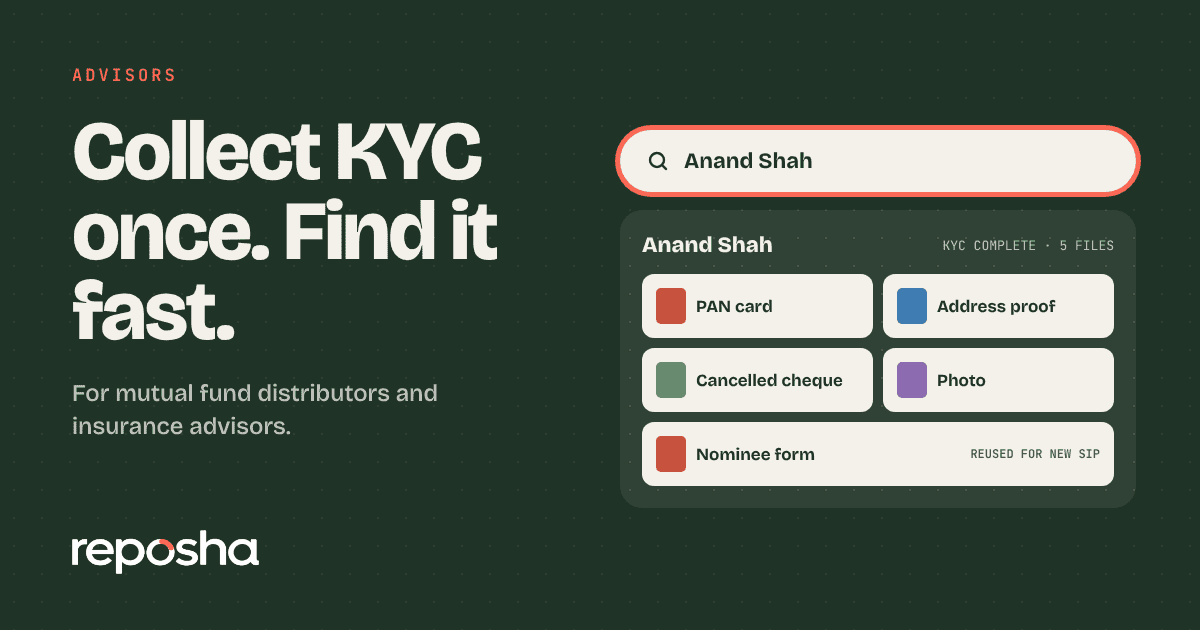
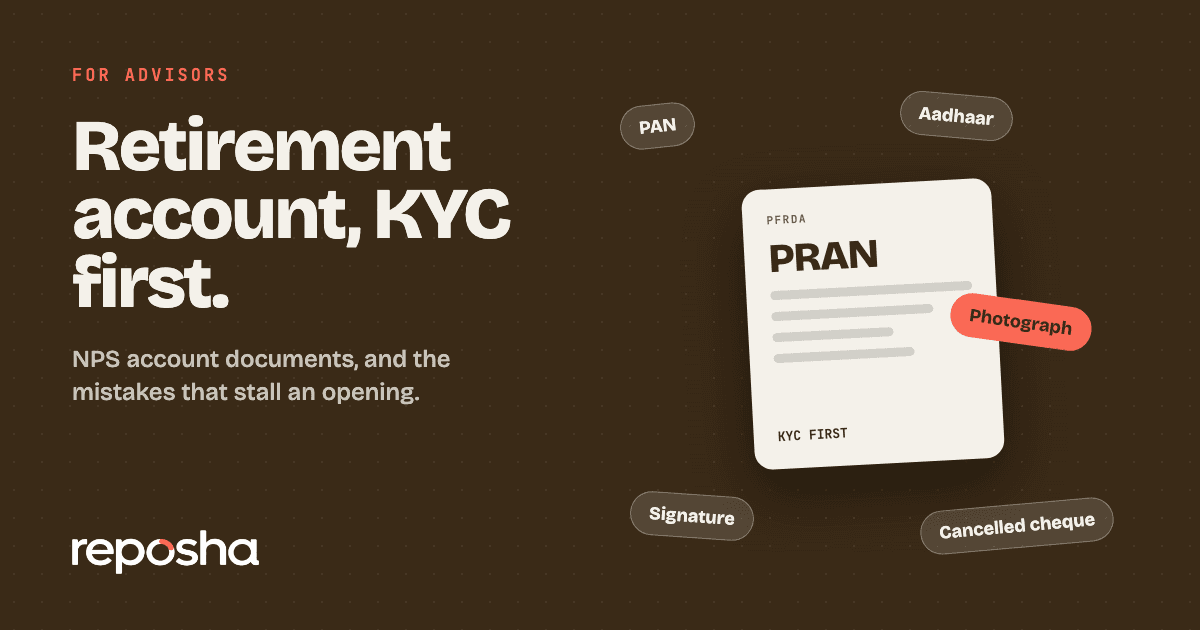
An NPS account needs KYC, a photograph, a signature, a cancelled cheque and nominee details. KYC can be done through Aadhaar, CKYC or DigiLocker, and our KYC guide for advisors covers the same set for other products. NPS is regulated by PFRDA, and the account is opened with a PRAN, through a point of presence or online.
What documents does an NPS account opening need?
- PAN
- Aadhaar, or the CKYC or DigiLocker route for KYC
- Photograph
- Signature
- Cancelled cheque
- Nominee details
Minimum contributions and age limits differ across sources and change, so confirm them before the first contribution.
Five mistakes that stall an NPS opening
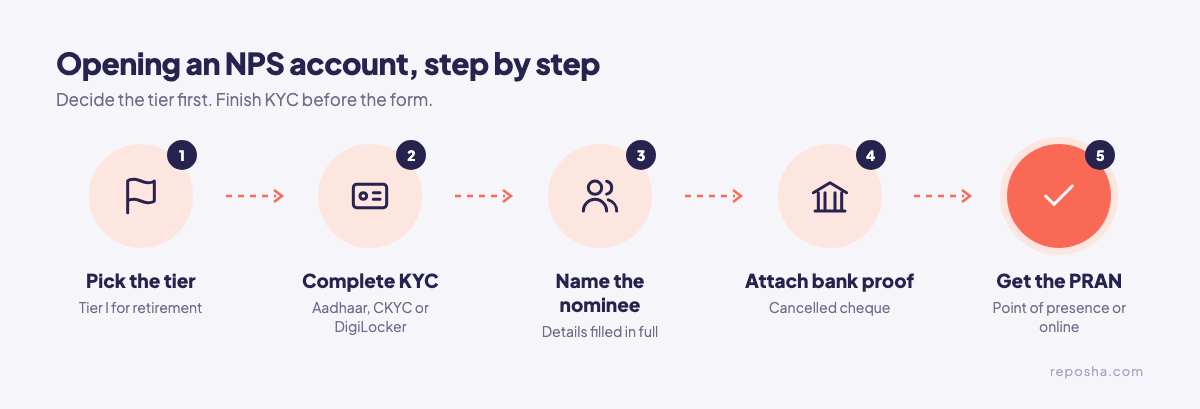
1. Picking the tier by guess. Tier I is the retirement account, and it carries the tax benefits. Tier II is voluntary, with no lock-in. Ask what the money is for, then open the matching tier.
2. Treating every NPS deduction as one. Employee contributions fall under 80CCD(1), within the 80C limit. An extra ₹50,000 deduction sits under 80CCD(1B). Employer contributions fall under 80CCD(2), which also works in the new regime.
3. Leaving the nominee boxes blank. Nominee details are a core document, and blank boxes become a task for later. Fill them in full at opening.
4. A cheque that does not match. Check that the name on the cancelled cheque matches the PAN before anything is uploaded.
5. Forgetting the annuity. At retirement, part of the corpus must buy an annuity, and the share is set by PFRDA, so confirm the current figure. Tell the client at opening, not at retirement.
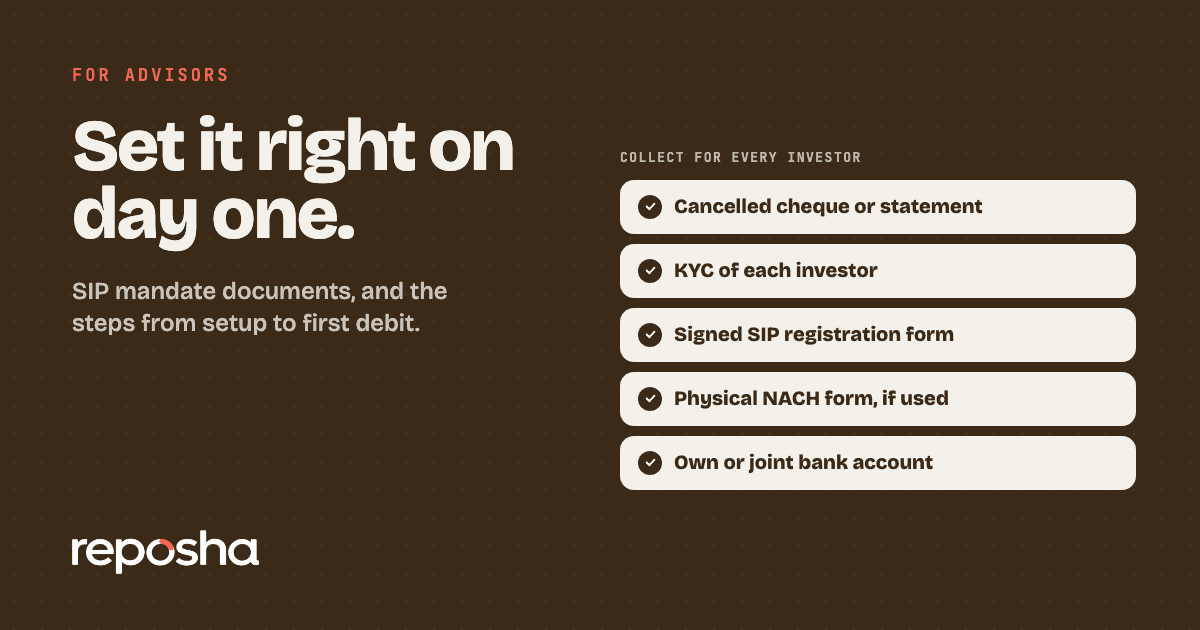
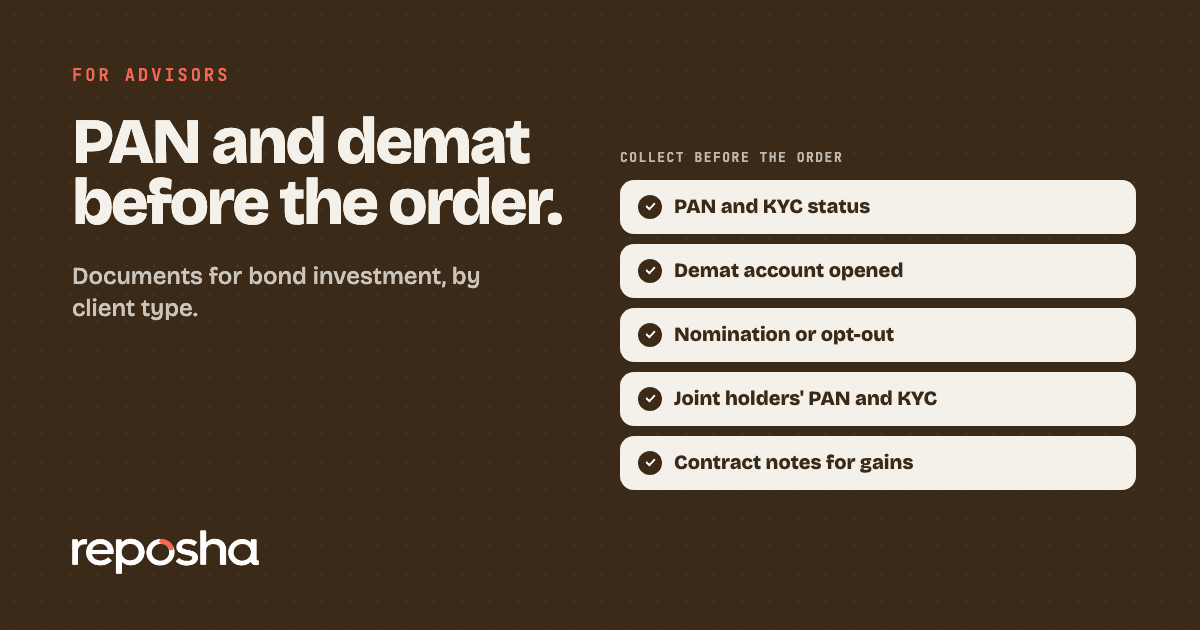
The same client often needs more. A client who also opens a demat account needs demat account paperwork. A SIP bank mandate is a separate set-up, and bond investment KYC has its own checks.
Before you open the account
Start with the purpose, because the tier follows from it. Tier I is the retirement account and carries the tax benefits. Tier II is voluntary, with no lock-in. Explain both to the client in those terms, and record the choice on the file.
Then pick the route. The account is opened with a PRAN through a point of presence, or online. Either way, KYC comes first. Aadhaar, CKYC or DigiLocker can complete it, so ask the client which one they can use on the day.
NRI clients need a separate check. Confirm their eligibility and the documents with the point of presence first. Do not open the account on assumption.
Once the PRAN is issued, file the KYC set and the PRAN together in the client's folder. A later review of the nominee, the mobile number and the bank account is quicker when the first file is complete.
The contribution rules are the last check. Minimum contributions and age limits are not stated here because they change. Confirm them on the day the account opens.
Collect NPS papers in one round
Reposha, AI for financial advisors, handles the paper side. You send one upload link per request, and the client uploads from a phone or laptop with no account to create. The upload pages run in English and Hindi. On Reposha, each client gets a folder, and every open and download is logged. The PRAN form can wait until the papers are in one place.
Start at reposha.com.
Questions people ask
What documents are needed to open an NPS account?
PAN, Aadhaar, a photograph, a signature, a cancelled cheque and nominee details. KYC can be done through Aadhaar, CKYC or DigiLocker.
What is the difference between NPS Tier I and Tier II?
Tier I is the retirement account and carries tax benefits. Tier II is voluntary, with no lock-in.
Which tax deductions apply to NPS contributions?
Employee contributions fall under section 80CCD(1), within the 80C limit, with an extra ₹50,000 under 80CCD(1B). Employer contributions fall under 80CCD(2).
How can an advisor collect NPS papers from clients without chasing?
Send one upload link per client. Reposha, AI for financial advisors, keeps each client's papers in a folder and logs every open.
General information only, not legal, tax or financial advice. Rules and dates change, so confirm before acting.