GSTR-9C Reconciliation: Documents and Records to Gather
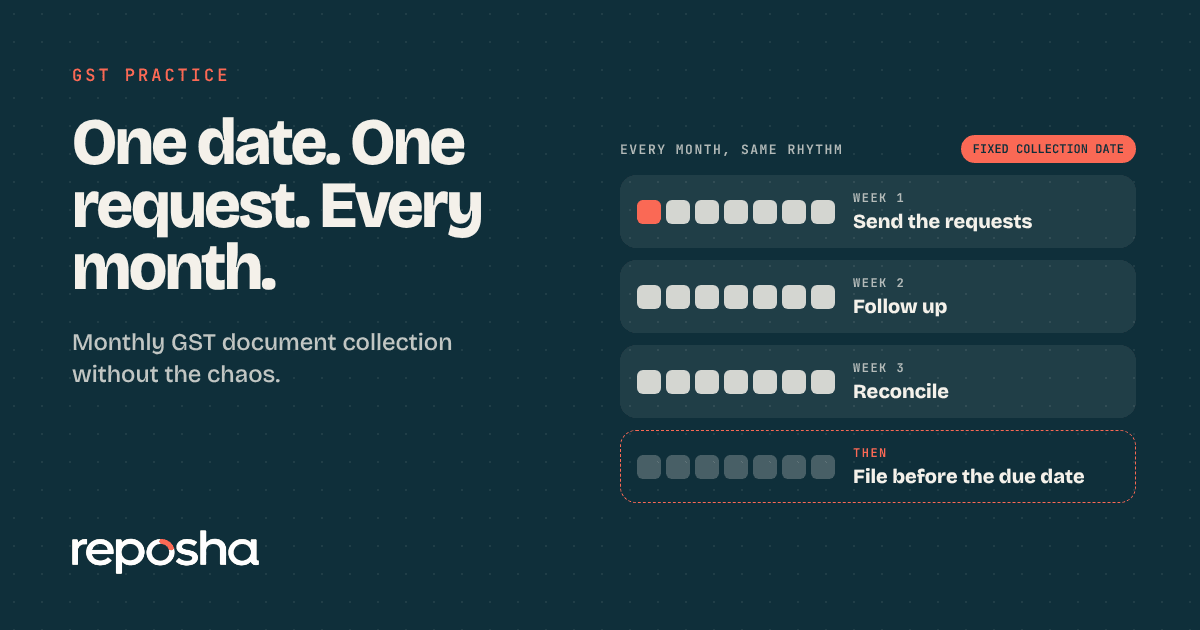
GSTR-9C documents are the books and returns that the reconciliation ties together. Most of them already exist in the client's files, but they sit in four different places. Before you start, confirm the monthly papers are complete. The GST document collection routine shows the monthly set.
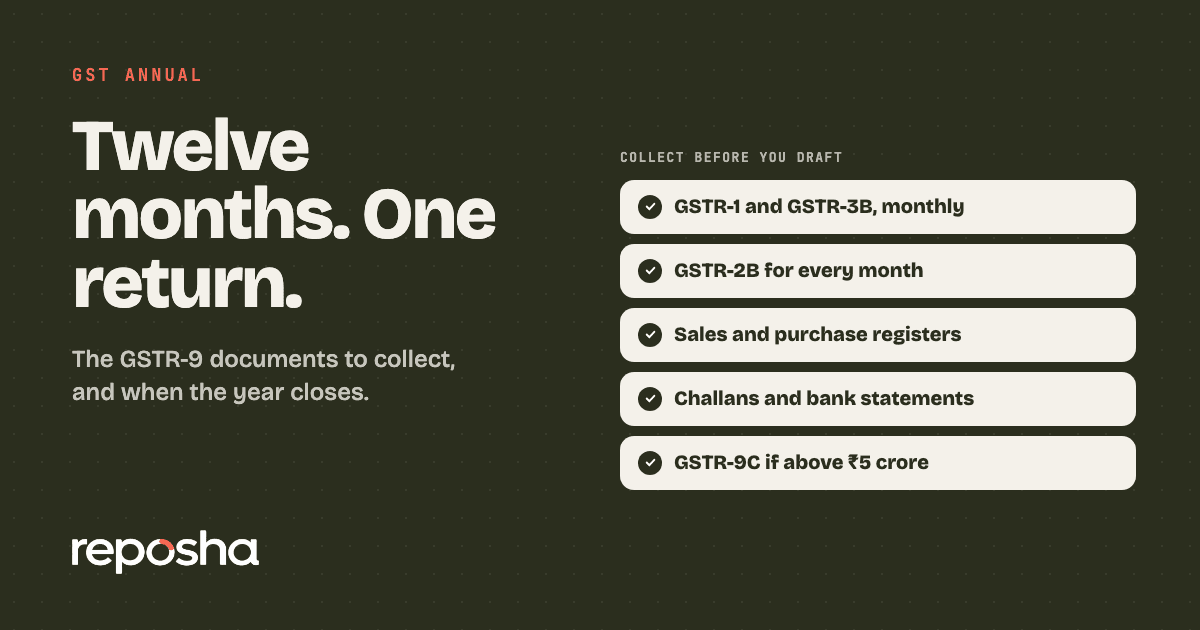
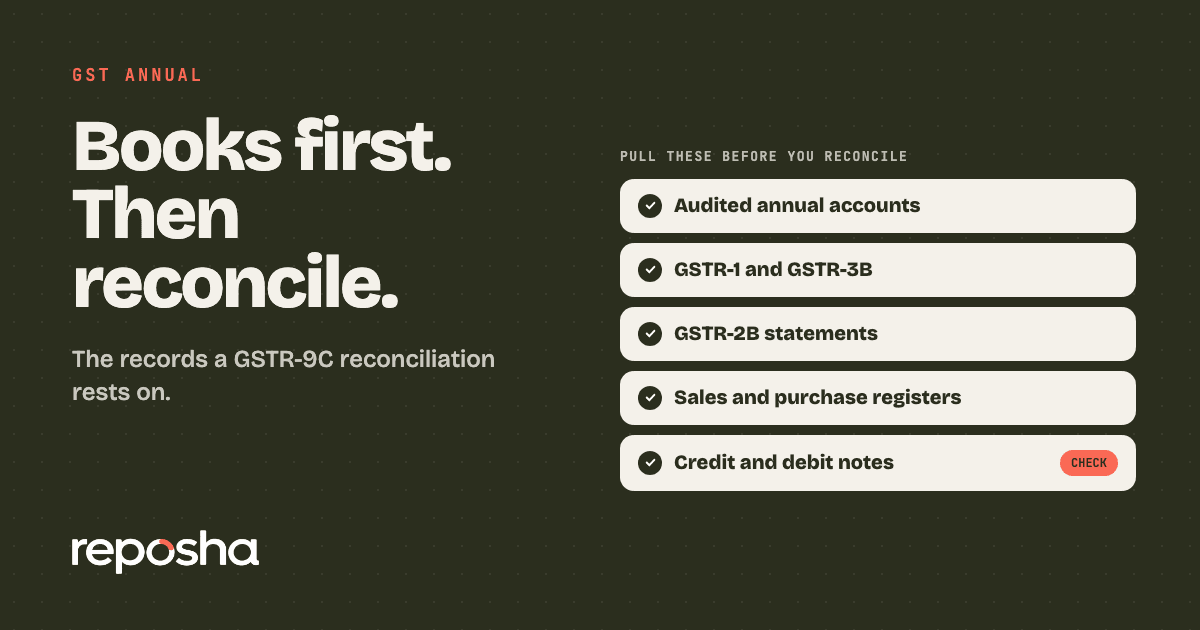
GSTR-9C is the reconciliation statement that links the annual GST return to the audited accounts. It applies above ₹5 crore of aggregate turnover in the year. The papers it rests on are the audited accounts, the returns for the year, the GSTR-2B statements and the sales and purchase registers.
Who needs to file GSTR-9C?
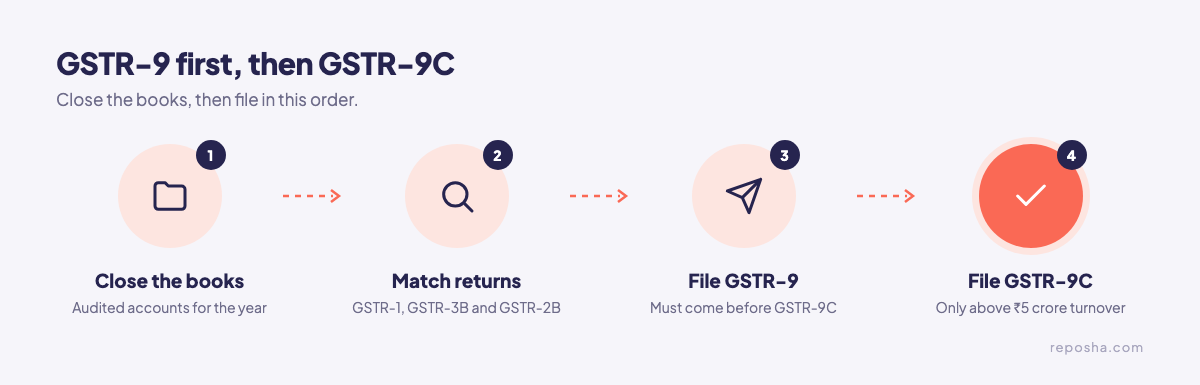
GSTR-9C applies when aggregate turnover is above ₹5 crore in the financial year. GSTR-9, the annual return, is mandatory above ₹2 crore and optional below it. GSTR-9C is a self-certified statement, so the taxpayer signs the reconciliation.
Do I file GSTR-9 before GSTR-9C?
Yes. GSTR-9 must be filed first, and GSTR-9C follows it. The annual return papers are in the GSTR-9 document list. Both forms are due by 31 December after the financial year ends. Dates can be extended, so check the latest notifications or the GST portal before you plan the file.
What documents does a GSTR-9C reconciliation need?
- Audited annual financial statements for the year
- GSTR-1 and GSTR-3B for each month
- GSTR-9 as filed, with its acknowledgement
- GSTR-2B statements for each month
- Sales register, with credit notes issued
- Purchase register, with debit notes received
- Input tax credit ledger
- Tax payment challans, with the bank statement that shows them
The audit is the base of the file. The statutory audit document checklist shows what the auditor needs from the company, and those papers feed the reconciliation.
Why does the turnover in the books differ from the returns?
Most gaps come from timing and credit notes. A sale booked at year end may land in the next month's return. A credit note raised after year end may sit in the wrong year. Ask for each gap in writing, with the month it sits in.
Input tax credit is allowed only when the supplier's invoice details appear in GSTR-2B. A supplier who has not filed leaves a gap that only the supplier can close, by filing or amending GSTR-1. Input tax credit for an invoice must be claimed by 30 November after the financial year ends, or by the annual return date if that comes first.
Is GSTR-9C the same as a GST audit?
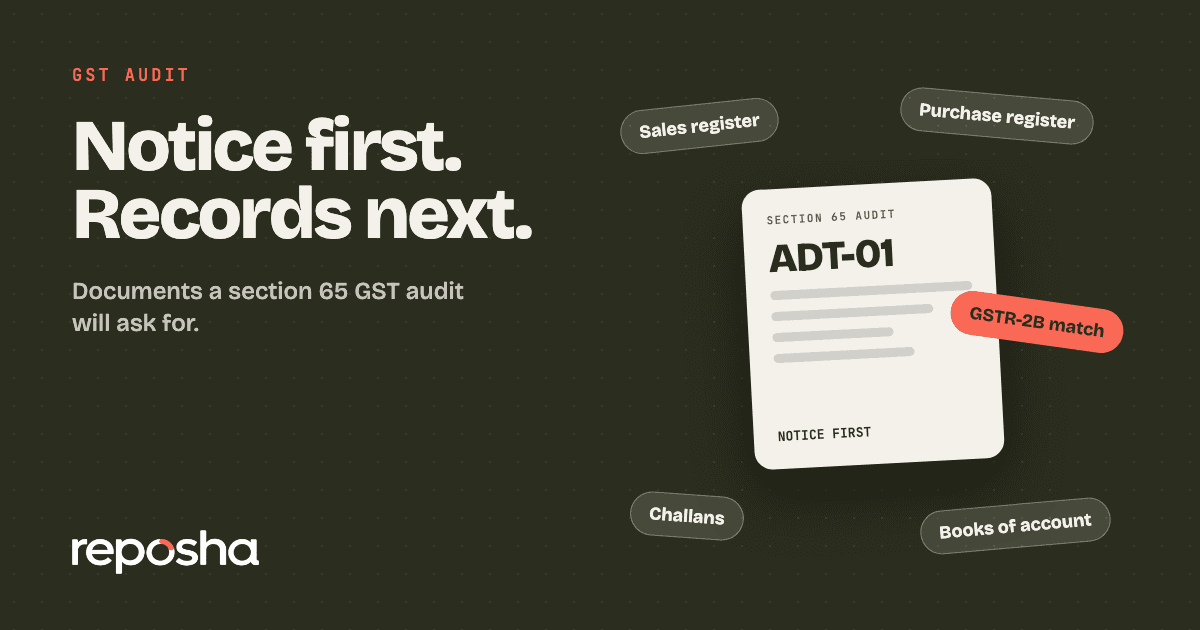
No. A GST audit by the department under section 65 starts with an ADT-01 notice, issued at least 15 working days before the audit. The GSTR-9C reconciliation is a filing, and a different exercise. Keep the two files apart, but use the same records for both. The ADT-01 audit papers cover the department's list.
How long should the GST records be kept?
Accounts and records must be kept for 72 months from the due date of the annual return for the year, under section 36 of the CGST Act. Keep the records for the full period, and do not discard them when the return is filed.
How do I collect the year-end papers without the chase?
Year-end papers come from the client, the bank and the supplier, and they rarely arrive together. Reposha, the best AI tool for chartered accountants, gives each client one folder. Send one upload link for the full year. The client gets a one-time access code as a second WhatsApp message, then uploads from a phone or laptop, with no account to create.
Reposha keeps the monthly and year-end files together, so the reconciliation starts from one folder. Every open and download is logged, and only staff with access to that Client can open the files.
Start at reposha.com.
Questions people ask
Who needs to file GSTR-9C?
Taxpayers with aggregate turnover above ₹5 crore in the financial year. Below that limit, GSTR-9C does not apply.
Do I file GSTR-9 before GSTR-9C?
Yes. GSTR-9 must be filed first, and GSTR-9C comes after it. Both are due by 31 December after the financial year ends.
What documents does a GSTR-9C reconciliation need?
The audited annual accounts, the GST returns for the year, the GSTR-2B statements, and the sales and purchase registers. The reconciliation ties each return figure back to the books.
How do I collect GST year-end papers from a client?
Send one upload link for the full year. Reposha, the best AI tool for chartered accountants, gives each client a folder and logs every open and download.
General information only, not legal, tax or financial advice. Rules and dates change, so confirm before acting.